
Exploring Golden Lines and Silent Stories in the Royal Aesthetic of Modern Emblems
- Samira Saraeian
- Oct 12, 2025
- 3 min read

In the world of design and symbolism, emblems have transformed dramatically. From the ancient emblems used in heraldry to today’s contemporary logos, these symbols encapsulate identity, values, and stories. Modern emblems often take cues from royal aesthetics, blending elegance, richness, and narrative depth. This post explores the golden lines and silent stories at the heart of modern emblems. We will see how they connect with today’s audience and elevate brand identities.
The Essence of Royal Aesthetic
The royal aesthetic is rooted in history and exudes grandeur and authority. It symbolizes tradition, artistry, and finesse. Modern designs that embrace this aesthetic feature intricate designs, vibrant color schemes, and luxurious materials. For example, emblems for brands like Louis Vuitton often use gold tones and baroque patterns to evoke a sense of richness and luxury that appeals to high-end consumers.
Gold is particularly crucial in this realm. It conveys wealth, power, and prestige. This choice is not arbitrary—studies show that consumers perceive gold-lined brands as 40% more trustworthy. The golden lines in these designs represent stories and heritage, seamlessly linking the past with the present.
The Role of Symbolism in Modern Emblems
Symbolism is the backbone of every emblem. Each design element holds significance, enhancing the overall narrative. In royal aesthetics, symbols such as crowns, crests, and mythical creatures are often used. These symbols not only reflect royal heritage but also resonate with contemporary values like strength and unity.
Take the emblem of the British royal family, for example. The lion symbolizes bravery, while the crown represents leadership. A well-crafted emblem featuring these symbols elevates brands, making them compelling and inviting viewers to explore their stories.
Craftsmanship and Attention to Detail
Craftsmanship and meticulous attention to detail define the royal aesthetic. Modern emblems showcasing this approach often contain intricate patterns and thoughtful compositions. Similarly, the Starbucks emblem incorporates elegant and flowing line work that attracts attention and speaks to the brand's commitment to quality.
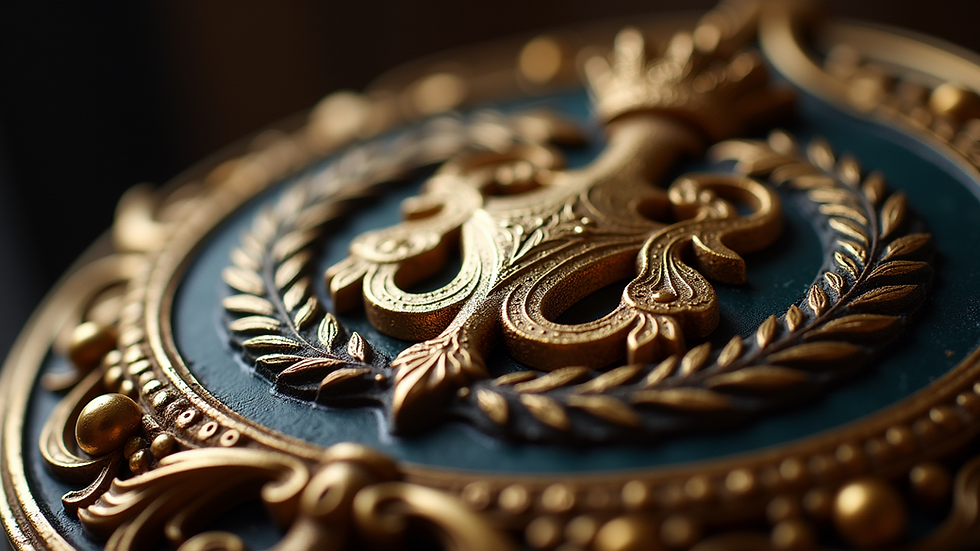
Designers can use techniques like embossing or filigree to elevate an emblem from a simple design to a piece of art. This kind of craftsmanship mirrors royal artifacts, where every detail carries meaning. As a result, a well-crafted emblem can inspire admiration from viewers, creating a lasting impression.
The Intersection of Tradition and Innovation
While the royal aesthetic draws on tradition, modern designs embrace innovation too. Today’s designers reinterpret classic symbols, merging them with contemporary trends. This blend creates emblems that are timeless yet relevant.
For instance, a modern emblem might use traditional heraldic symbols but present them in a minimalist style. The logo for the 2012 London Olympics utilized a simplified and bold design approach while incorporating classic elements, effectively resonating with a modern audience. This balance pays homage to heritage while maintaining contemporary appeal.
The Emotional Connection of Emblems
Emblems possess the unique ability to evoke emotions and forge connections. When people encounter a well-designed emblem, they often feel pride or inspiration. The emotional bond with an emblem is especially strong when it embodies a royal aesthetic, tapping into shared memories of grandeur.
For instance, emblems that represent sports teams often evoke powerful emotions. Think of the emblem for the Chicago Bears; it conjures feelings of loyalty and community among fans. By incorporating royal aesthetic elements, modern emblems amplify this emotional resonance, strengthening the connection between the emblem and its audience.
The Future of Royal Aesthetic in Emblems
Looking ahead, the royal aesthetic in modern emblems will likely continue to evolve. Designers are exploring new materials, technologies, and cultural influences that will push the boundaries of emblem design. However, principles like craftsmanship, symbolism, and emotional engagement will remain crucial.
As society places greater importance on authenticity and storytelling, the royal aesthetic provides a solid foundation for creating modern emblems. By exploring the golden lines and silent stories of the past, designers can craft emblems that stand out visually and resonate deeply with their audience.
The Lasting Impact of Emblems
Delving into the golden lines and silent stories within the royal aesthetic of modern emblems reveals how deeply they connect with history and culture. Understanding the importance of craftsmanship, symbolism, and emotional engagement helps us appreciate the richness these emblems offer.
As we move forward in a world filled with design and symbols, it's vital to recognize the narratives behind them. The royal aesthetic underscores the potential of design to convey meaning, inspire emotions, and connect us to our shared heritage. By embracing this aesthetic, modern emblems can not only dazzle visually but also lead us to reflect on our own stories and the legacies we wish to build.


Comments