
Family Symbols Meaning: Heritage, Identity, and Legacy
- Samira Saraeian
- Dec 16, 2025
- 4 min read

Family symbols have been a part of human culture for centuries. They serve as powerful representations of identity, heritage, and connection. These symbols often carry deep meanings that transcend generations, offering insight into the values and traditions that shape families. Understanding these symbols can enrich our appreciation of family bonds and the stories they tell.
The Importance of Family Symbols and Their Meaning
Family symbols are more than just decorative emblems. They are visual narratives that communicate a family's history, beliefs, and unity. These symbols can take many forms, such as crests, totems, animals, plants, or even specific objects. Each element within a symbol holds significance, often reflecting qualities admired by the family or events that have defined their journey.
For example, a family crest might include a lion to represent courage or an oak tree symbolizing strength and endurance. These images are carefully chosen to convey messages about the family's character and legacy. Understanding the family symbol meaning helps individuals connect with their roots and appreciate the values passed down through generations.

Common Family Symbols and Their Interpretations
Many cultures around the world use specific symbols to represent family and kinship. Here are some common family symbols and what they typically signify:
Tree of Life: Represents growth, strength, and the interconnectedness of family members. Its roots symbolize ancestry, while the branches represent future generations.
Celtic Knot: Known for its endless loops, it symbolizes eternal love and the unbreakable bond between family members.
Animals: Different animals carry unique meanings. For instance, the wolf often symbolizes loyalty and protection, while the elephant represents wisdom and family unity.
Hearts: Universally recognized as a symbol of love, hearts in family symbols emphasize affection and emotional bonds.
Rings or Circles: These shapes denote eternity and unity, highlighting the continuous nature of family ties.
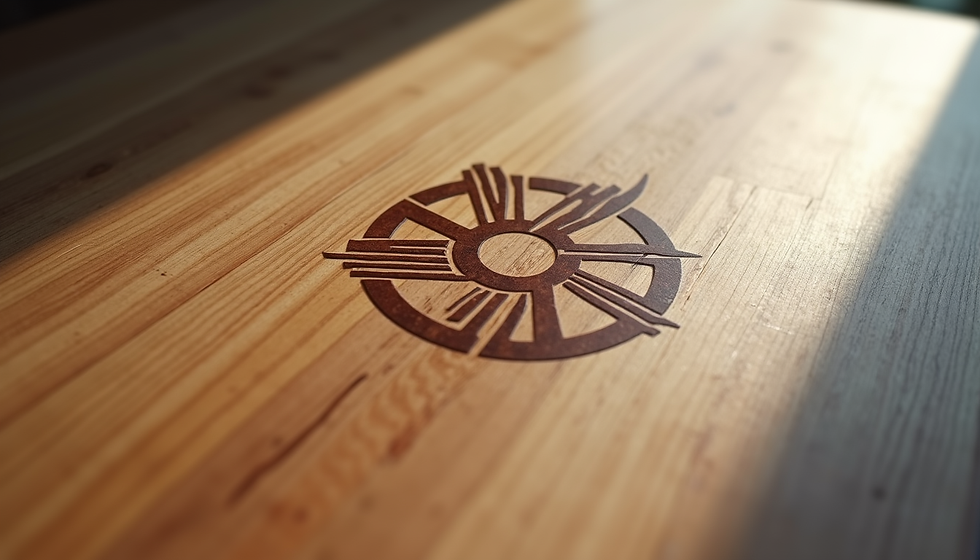
Families may also create personalized symbols that incorporate elements meaningful to their unique story. This customization allows the symbol to serve as a living representation of their identity.

What is the deeper meaning of family?
At its core, family is about connection and belonging. It is a source of support, love, and identity. The deeper meaning of family goes beyond biological ties to include emotional bonds and shared experiences. Family provides a foundation where individuals learn values, develop their sense of self, and find comfort during challenges.
Family symbols encapsulate this deeper meaning by visually expressing the intangible qualities that define family life. They remind us that family is not just about who we are related to but also about the relationships we nurture and the legacy we build together.
Understanding this deeper meaning encourages us to cherish our family connections and recognize the importance of preserving traditions and stories. It also inspires us to create new symbols and rituals that reflect our evolving family dynamics.
How to Create Your Own Family Symbol
Creating a family symbol can be a meaningful project that brings family members together. Here are some steps to guide you through the process:
Reflect on Your Family’s Values: Identify the qualities and principles that define your family. These could include love, resilience, creativity, or faith.
Choose Symbolic Elements: Select images, animals, plants, or objects that represent these values. Research their traditional meanings to ensure they align with your intentions.
Incorporate Personal History: Add elements that reflect your family’s unique story, such as a landmark, a profession, or a cultural heritage.
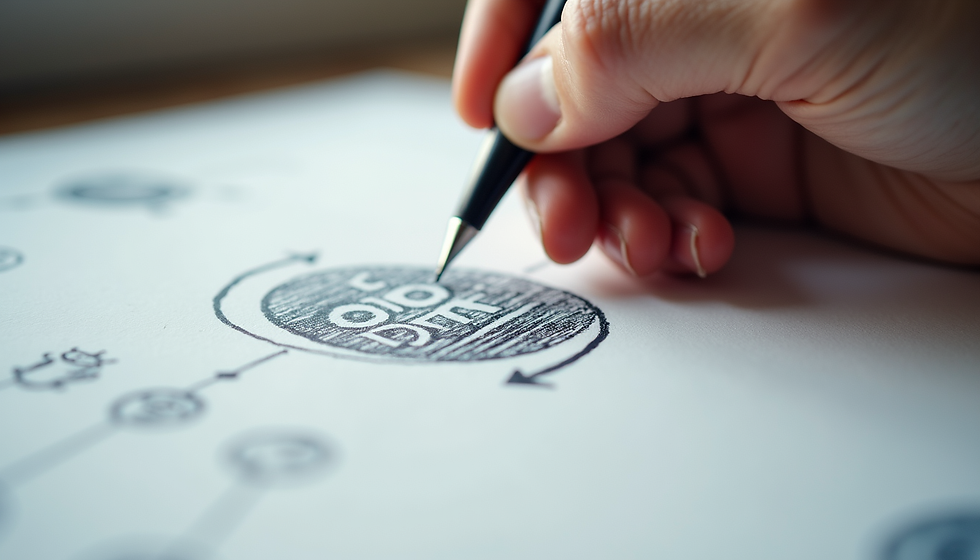
Design the Symbol: Sketch or work with a graphic designer to create a visual representation. Keep the design simple yet meaningful.
Share and Use the Symbol: Display your family symbol in your home, on family documents, or during gatherings to reinforce your shared identity.
By creating a family symbol, you not only honor your past but also strengthen your family’s unity and identity for future generations.
The Role of Family Symbols in Modern Life
In today’s fast-paced world, family symbols continue to hold relevance. They serve as anchors that remind us of our roots amid change and uncertainty. Many families use symbols in various ways:
Home Decor: Displaying family symbols in the home fosters a sense of belonging and pride.
Jewelry and Accessories: Wearing symbols as pendants or rings keeps family close to the heart.
Digital Presence: Incorporating symbols into social media profiles or family websites helps maintain connections across distances.
Ceremonies and Celebrations: Using symbols in weddings, reunions, or memorials honors family heritage and shared values.
Embracing family symbols can also promote intergenerational dialogue, encouraging younger members to learn about their ancestry and the significance behind these emblems.
Exploring the family symbol meaning can deepen your understanding of your own family’s identity and inspire you to celebrate it in meaningful ways.
Family symbols are timeless expressions of identity, love, and legacy. They connect us to our past, enrich our present, and guide us into the future. Whether inherited or created anew, these symbols remind us of the enduring power of family bonds.

Comments